Top Houseplants for Optimal Health and Wellness Benefits
- Dierdre Brown
- Jun 25
- 3 min read

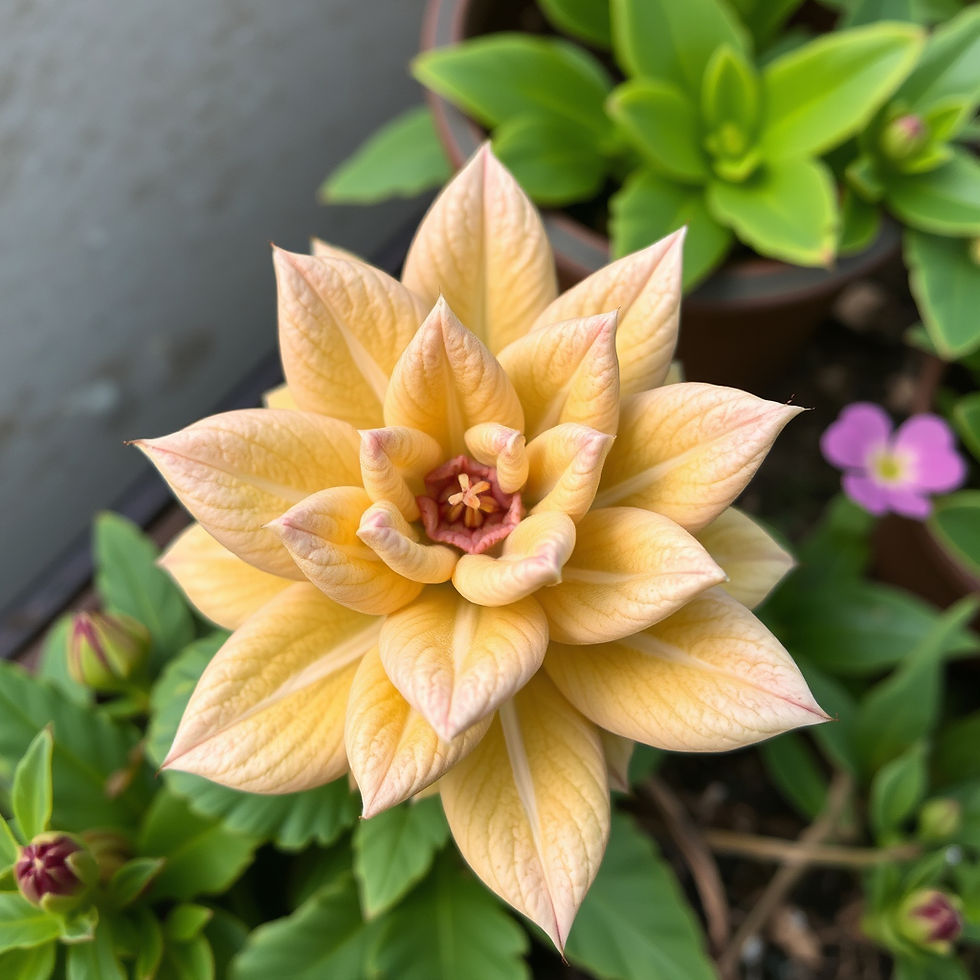
Bringing plants into your home does more than brighten up your space. Certain houseplants can improve your health and well-being in surprising ways. From cleaning the air to reducing stress, these green companions offer practical benefits that go beyond decoration. This post explores some of the best plants to keep indoors and explains how they contribute to a healthier, more comfortable living environment.
How Houseplants Improve Indoor Air Quality
Indoor air often contains pollutants like dust, mold spores, and volatile organic compounds (VOCs) from furniture, cleaning products, and paints. These can cause headaches, allergies, and respiratory problems. Many houseplants naturally filter these toxins, making the air cleaner and easier to breathe.
Plants absorb carbon dioxide and release oxygen through photosynthesis, but some also remove harmful chemicals such as formaldehyde, benzene, and trichloroethylene. NASA’s Clean Air Study highlighted several plants that effectively reduce indoor air pollution.
Examples of Air-Purifying Plants
Spider Plant (Chlorophytum comosum)
Known for removing carbon monoxide and formaldehyde, spider plants are easy to care for and thrive in indirect light.
Snake Plant (Sansevieria trifasciata)
This hardy plant filters out benzene, formaldehyde, and trichloroethylene. It also produces oxygen at night, making it ideal for bedrooms.
Peace Lily (Spathiphyllum)
Peace lilies absorb mold spores and VOCs, while their white flowers add a calming touch to any room.
Plants That Boost Mental Health and Reduce Stress
Living with plants can improve mood and reduce anxiety. Studies show that interacting with greenery lowers cortisol levels, the hormone linked to stress. The presence of plants also encourages mindfulness and relaxation.
Plants That Promote Calm and Focus
Lavender
Known for its soothing scent, lavender can reduce anxiety and improve sleep quality when kept indoors.
Aloe Vera
Beyond its healing gel, aloe vera has air-purifying qualities and a calming presence.
English Ivy (Hedera helix)
This trailing plant reduces airborne mold and allergens, which can help ease respiratory discomfort and promote better sleep.
Plants That Increase Humidity and Help with Dry Air
Dry indoor air can cause skin irritation, dry eyes, and respiratory issues. Some houseplants release moisture into the air through a process called transpiration, which helps maintain comfortable humidity levels.
Best Plants for Adding Humidity
Boston Fern (Nephrolepis exaltata)
Boston ferns are excellent natural humidifiers and thrive in indirect light with regular watering.
Areca Palm (Dypsis lutescens)
This palm adds moisture and oxygen to the air, making it a popular choice for improving indoor air quality.
Rubber Plant (Ficus elastica)
Rubber plants release moisture and absorb toxins, supporting both humidity and air cleanliness.
Easy-to-Care-For Plants for Beginners
Not everyone has a green thumb, but many health-boosting plants require minimal care. These resilient plants survive in low light and need infrequent watering.
ZZ Plant (Zamioculcas zamiifolia)
Tolerant of low light and drought, the ZZ plant filters toxins and adds a glossy green touch to any room.
Pothos (Epipremnum aureum)
Pothos grows quickly and thrives in various lighting conditions. It helps remove formaldehyde and other pollutants.
Chinese Evergreen (Aglaonema)
This plant adapts well to low light and humid conditions, making it a great choice for bathrooms or offices.
How to Choose the Right Plants for Your Home
When selecting houseplants, consider your living space, light availability, and lifestyle. Here are some tips:
Assess light levels in your rooms. South-facing windows offer bright light, while north-facing rooms are dimmer.
Consider pets. Some plants like peace lilies and pothos are toxic to cats and dogs.
Think about maintenance. Choose plants that fit your schedule and experience.
Match plants to your goals. If air quality is your priority, pick air-purifying species. For stress relief, focus on fragrant or visually soothing plants.
Practical Tips for Caring for Indoor Plants
Keeping plants healthy ensures they continue to provide wellness benefits. Follow these simple care tips:
Water plants according to their needs; overwatering is a common mistake.
Use well-draining soil and pots with drainage holes.
Clean leaves occasionally to remove dust and improve photosynthesis.
Rotate plants to ensure even light exposure.
Fertilize during growing seasons to support growth.
Summary of Health Benefits from Houseplants
Improved air quality by filtering toxins and increasing oxygen.
Reduced stress and anxiety through interaction and presence.
Better humidity levels that ease skin and respiratory issues.
Enhanced focus and mood by creating a calming environment.
Comments